Create colourful elephant toothpaste with your Scout Elf using this family-friendly STEM experiment with 3% hydrogen peroxide, yeast and dishwashing liquid.
Crafty concoctions are a Scout Elf favourite! Santa’s Scout Elves love experimenting with science and Christmas magic at the North Pole, and this colourful elephant toothpaste experiment is ready to bring a burst of bubbly fun to family learning at home.
With a few carefully measured ingredients, children can watch a simple chemical reaction create a towering stream of foam. Grab the safety glasses, prepare a washable workspace and get ready for one elftacular experiment.
What is elephant toothpaste? Elephant toothpaste is a foamy STEM experiment in which yeast helps hydrogen peroxide break down quickly. Dishwashing liquid traps the released oxygen in thousands of bubbles, creating a giant stream of foam that looks like toothpaste made for an elephant.
Safety First
Adult supervision is required throughout this experiment. Elephant toothpaste is a science activity. It is not real toothpaste and must never be tasted, swallowed or used by people, pets, Scout Elves or elephants.
This family activity uses 3% hydrogen peroxide. An adult should handle and pour the hydrogen peroxide, and everyone nearby should wear safety glasses. Avoid touching the mixture, leaning over the bottle or allowing the ingredients to come into contact with eyes, skin, clothing or household surfaces.
Complete the experiment in a well-ventilated area on a washable surface. An outdoor patio or sheltered area can be especially handy during an Australian summer, provided the experiment is kept out of direct sunlight and away from wind, pets and younger children.
Always read and follow the manufacturer’s label. If accidental exposure or poisoning is suspected in Australia, contact the Poisons Information Centre on 13 11 26. Call Triple Zero (000) in an emergency.
What You’ll Need
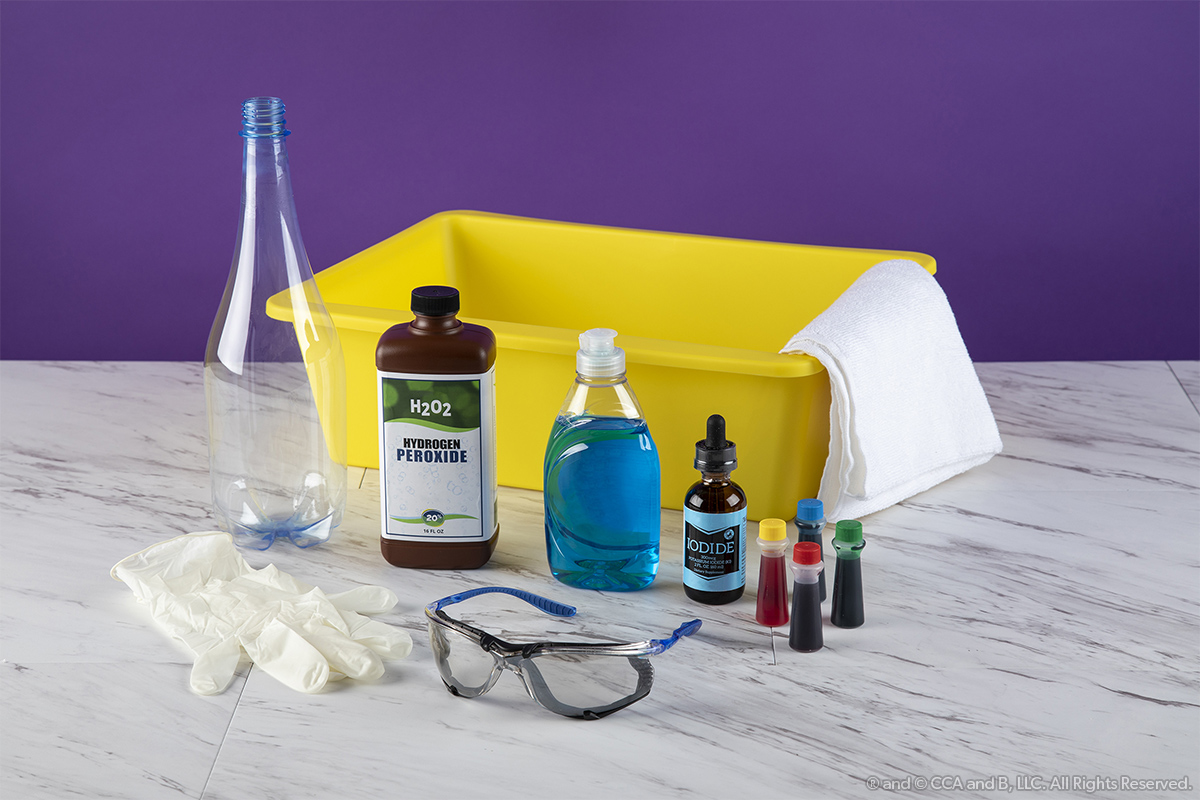
- 125 mL of 3% hydrogen peroxide
- 1 tablespoon of dishwashing liquid
- Food colouring
- 1 tablespoon of dry yeast
- 3 tablespoons of warm water
- An empty plastic bottle
- A small cup or bowl
- A large, deep tray or plastic tub
- Safety glasses
- Disposable gloves for the supervising adult
- A measuring jug and spoon
- An old towel for spills
North Pole tip: Place the bottle inside the tray before adding any ingredients. The foam can grow quickly, so choose a deep container and keep books, phones and your Scout Elf safely away from the bubbling action.
How to Make Elephant Toothpaste
-
Prepare your experiment area
Cover the work surface if needed, place the empty plastic bottle upright in the centre of the tray and make sure everyone nearby is wearing safety glasses.
-
Add the hydrogen peroxide
The supervising adult should carefully measure 125 mL of 3% hydrogen peroxide and pour it into the bottle.
-
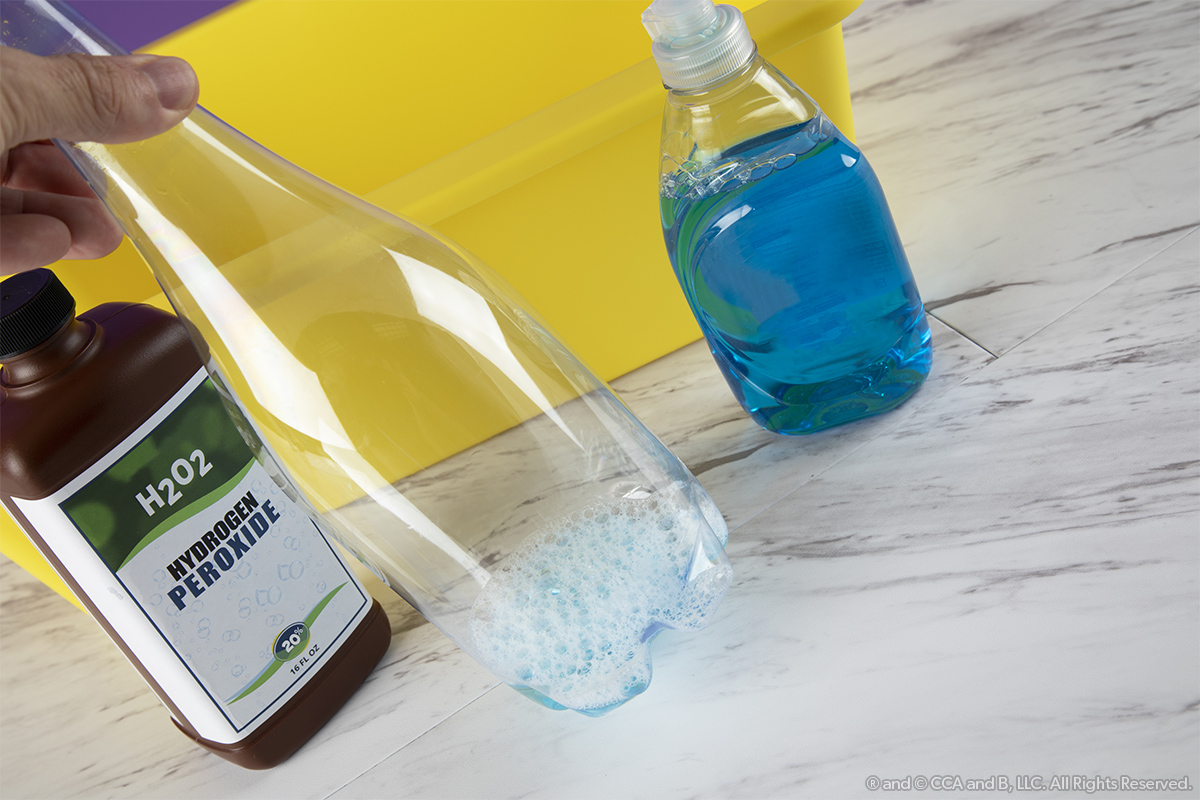
Add the dishwashing liquid
Pour one tablespoon of dishwashing liquid into the bottle. Gently swirl the bottle to combine the liquids without creating too many bubbles just yet.
-
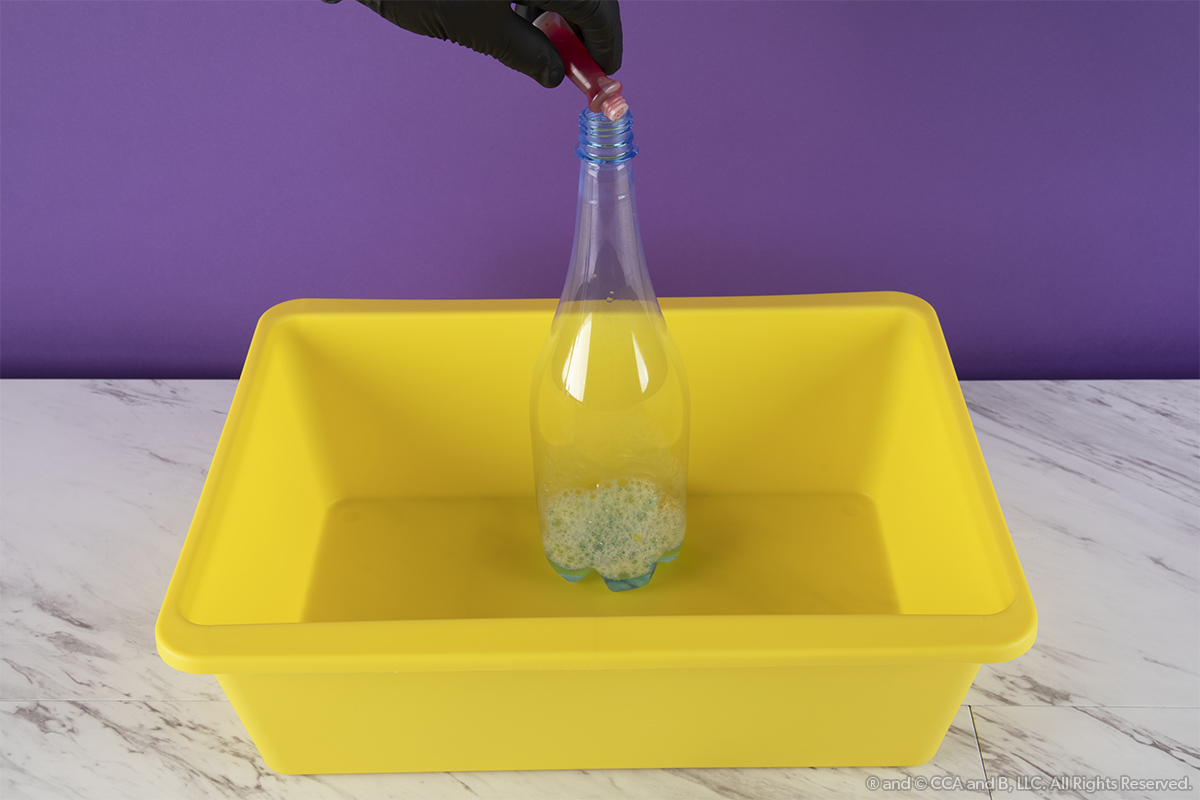
Create a splash of colour
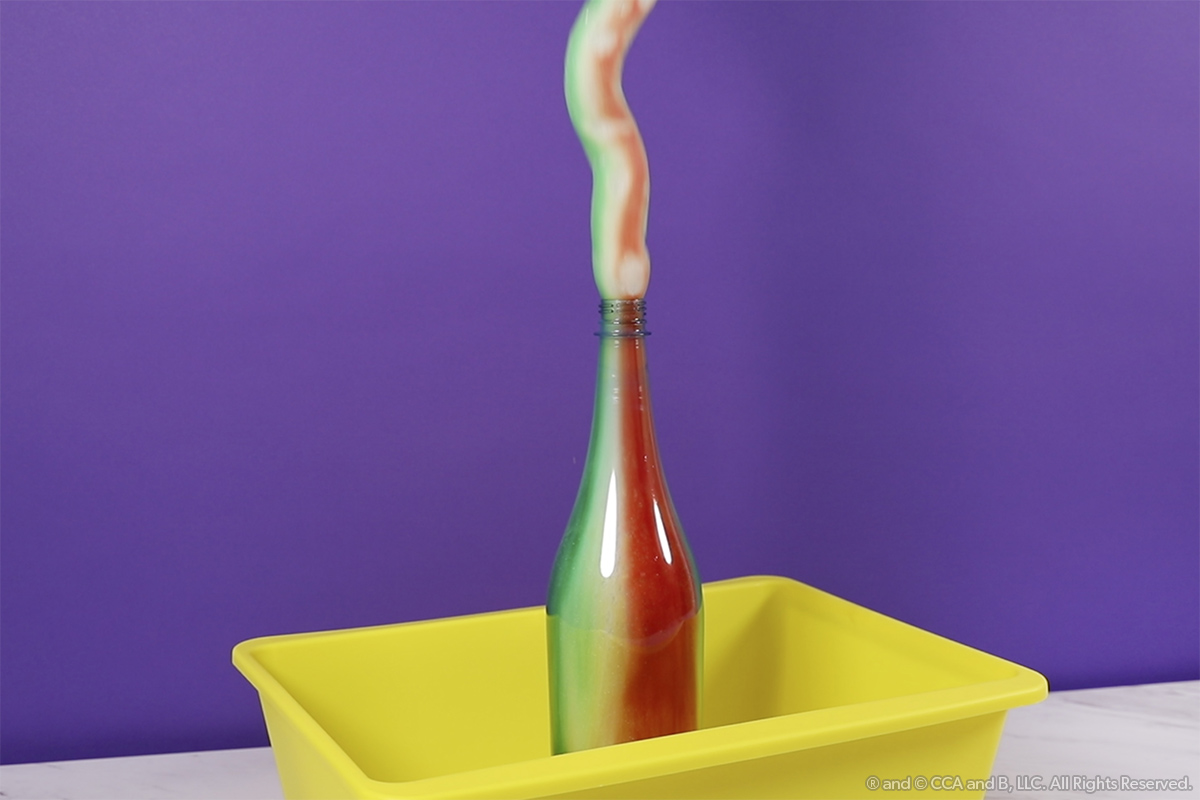
Add 5 to 10 drops of food colouring. For a striped effect, place one colour down one side of the bottle and a second colour down the other side without mixing them together.
-
Wake up the yeast
In a separate cup, mix one tablespoon of dry yeast with three tablespoons of warm water. Stir for approximately 30 seconds. The water should feel comfortably warm rather than hot.
-
Start the foamy reaction
Pour the yeast mixture into the bottle, step back straight away and watch the colourful foam rise.
-
Watch the North Pole-worthy foam
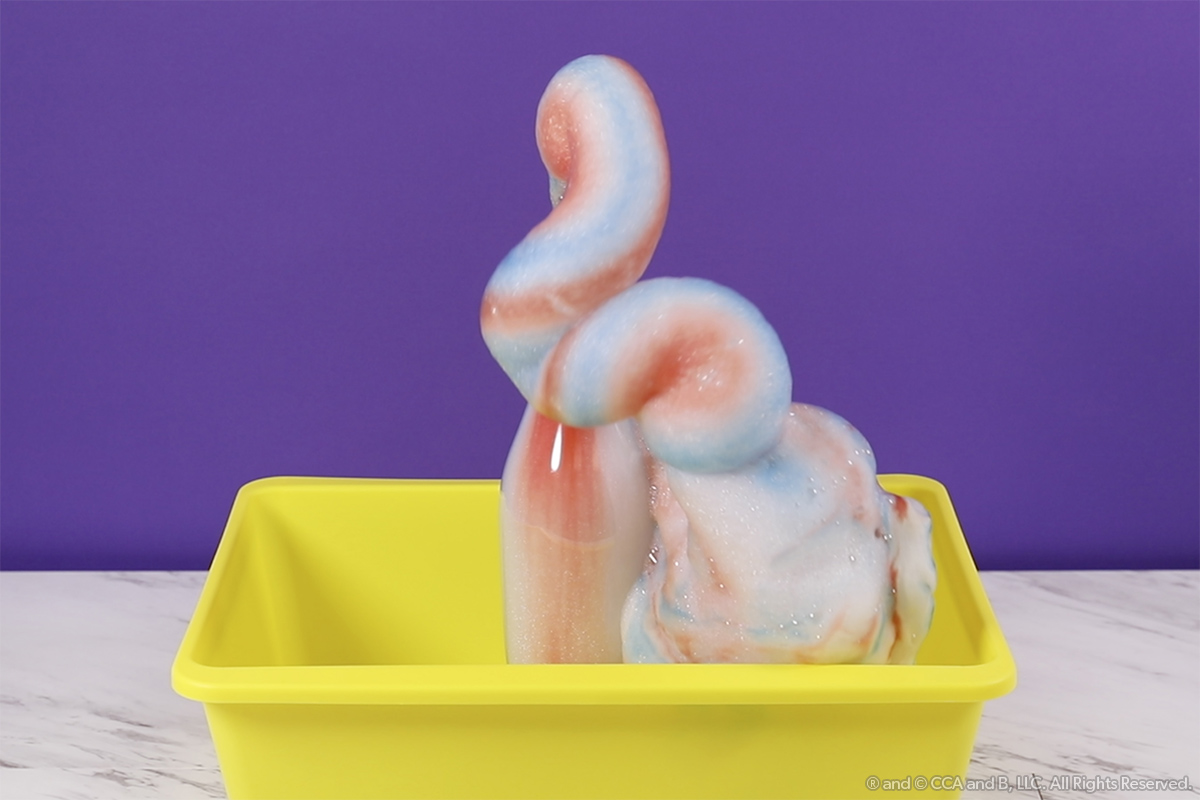
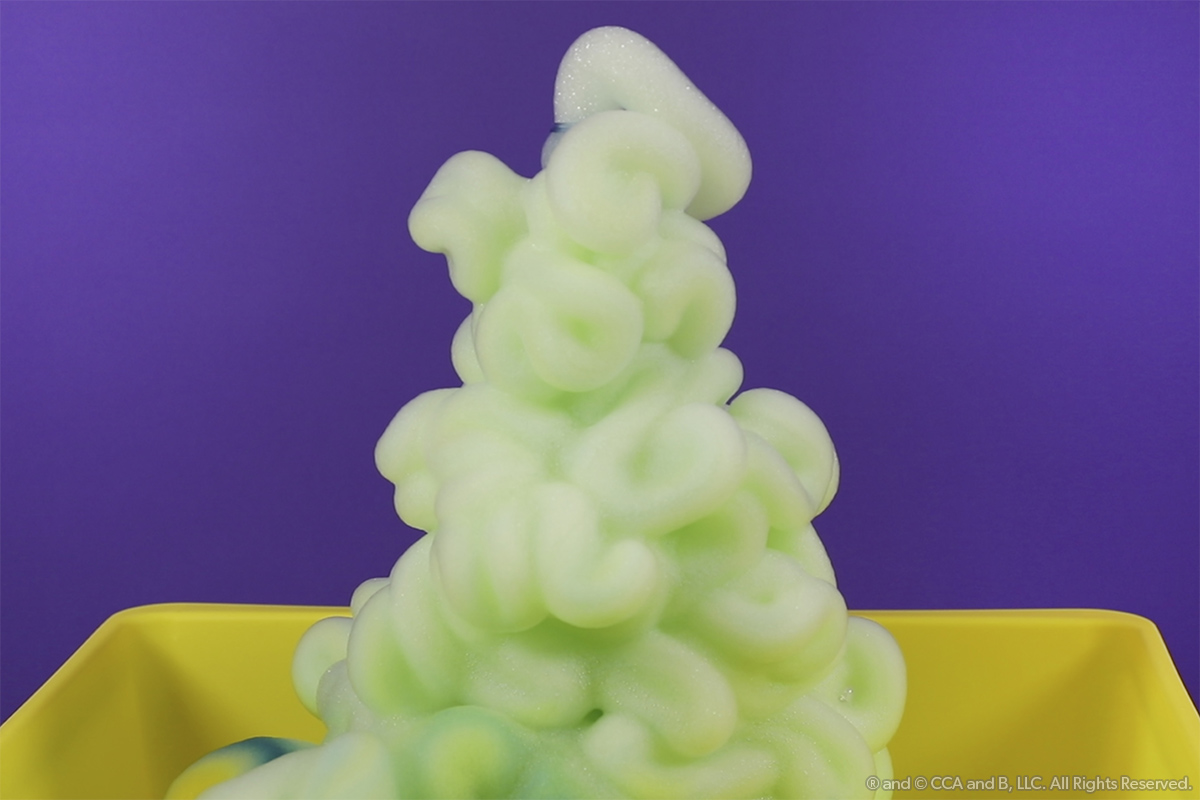
Observe the bubbles tumbling over the bottle and into the tray. The bottle and foam may feel warm because the chemical reaction releases heat, so nobody should touch them during or immediately after the experiment.
-
Clean up carefully
Allow the bottle and foam to cool completely. The supervising adult should then follow the product labels and local disposal guidance, rinse the tray thoroughly and make sure everyone washes their hands.
How Does Elephant Toothpaste Work?
Hydrogen peroxide naturally breaks down into water and oxygen, but this usually happens slowly. Yeast contains an enzyme called catalase, which helps the hydrogen peroxide break down much faster.
The released oxygen becomes trapped inside the dishwashing liquid, creating thousands of bubbles. These bubbles rush out of the bottle as a thick stream of colourful foam. The process also releases heat, which is why the bottle may become warm.
Turn It into a STEM Investigation
Once children have watched the first foamy eruption, encourage them to think like North Pole scientists. Before repeating the activity with fresh ingredients, they can predict what might happen when one safe variable is changed.
- Does a tall, narrow bottle create a different foam shape from a short, wide bottle?
- What happens when the food colouring is placed in different parts of the bottle?
- How long does the foamy reaction continue?
- Does changing the amount of dishwashing liquid affect the size or texture of the bubbles?
Change only one variable at a time and keep the quantities of all the other ingredients the same. This makes it easier to compare the results and work out what caused any differences.
Elephant Toothpaste Questions
Can children make elephant toothpaste?
Children can observe and assist with age-appropriate steps, but a responsible adult must supervise the entire experiment and handle the hydrogen peroxide. Everyone nearby should wear safety glasses.
Why is it called elephant toothpaste?
The reaction produces a large stream of thick foam that looks like toothpaste being squeezed from a giant tube. It is only a nickname, and the mixture must never be used as real toothpaste or consumed.
Can I use stronger hydrogen peroxide?
No. This home experiment is designed for 3% hydrogen peroxide. More concentrated products create additional hazards and should not be used for a children’s activity.
Why did my elephant toothpaste not foam?
The yeast may not have activated properly, the water may have been too hot or too cold, or the hydrogen peroxide may have lost strength over time. Check the product expiry date and use warm, rather than boiling, water for the yeast mixture.
Can I touch the elephant toothpaste foam?
Do not touch the foam during or immediately after the reaction. It may be warm and could contain hydrogen peroxide that has not completely broken down. Allow everything to cool before the supervising adult begins cleaning up.
Discover More North Pole Fun
Keep the curious Christmas spirit bubbling with more official Scout Elf activities, ideas and inspiration.
For even more Christmas crafts, family activities and North Pole inspiration, visit The Elf on the Shelf® Australia blog or explore the answers to popular questions in our Scout Elf FAQs.
Please remember: Children should always be supervised by a responsible adult when completing the activity in this post. Read and follow all manufacturers’ instructions, warnings and age recommendations before using household or science supplies. Keep all ingredients away from children and pets when they are not being used.